Nuclear Safety:
Science, Data, and Public Trust
From everyday background radiation to global mortality statistics and island-nation public sentiment—a comprehensive look into the three dimensions of nuclear safety.
Radiation that makes people shudder
Radiation is all around us. Whether having an X-ray, taking a flight or even eating a banana, we are exposed to tiny amounts of radiation every day without realising it.
On average, a person is exposed to about 0.9 millisieverts of natural background radiation each year. By comparison, living near a nuclear power plant adds only about 0.001 millisieverts of exposure a year — equivalent to just 2% of the radiation from a single chest X-ray, or eating 10 bananas.
-
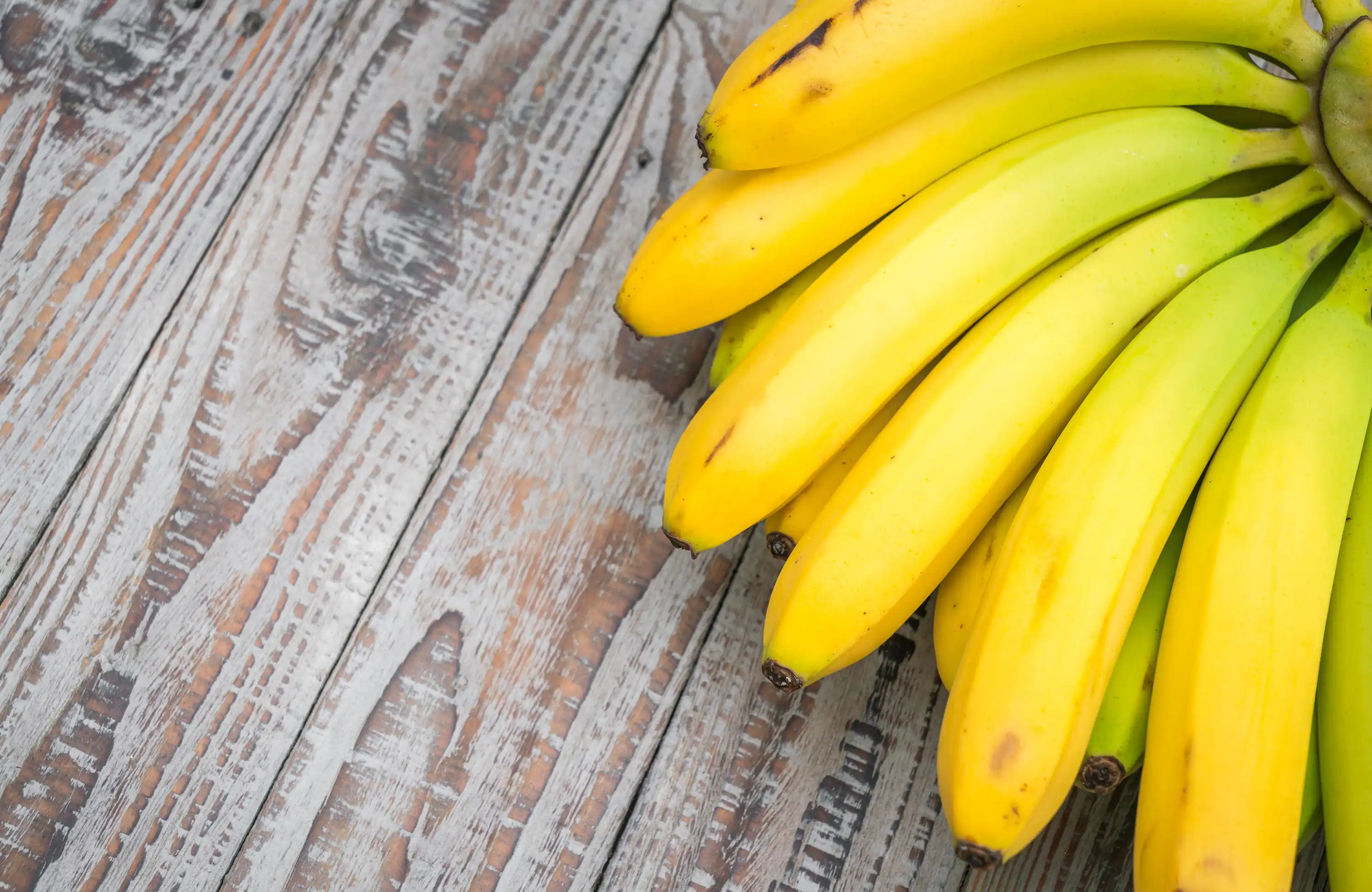 Consume 10 bananas
-
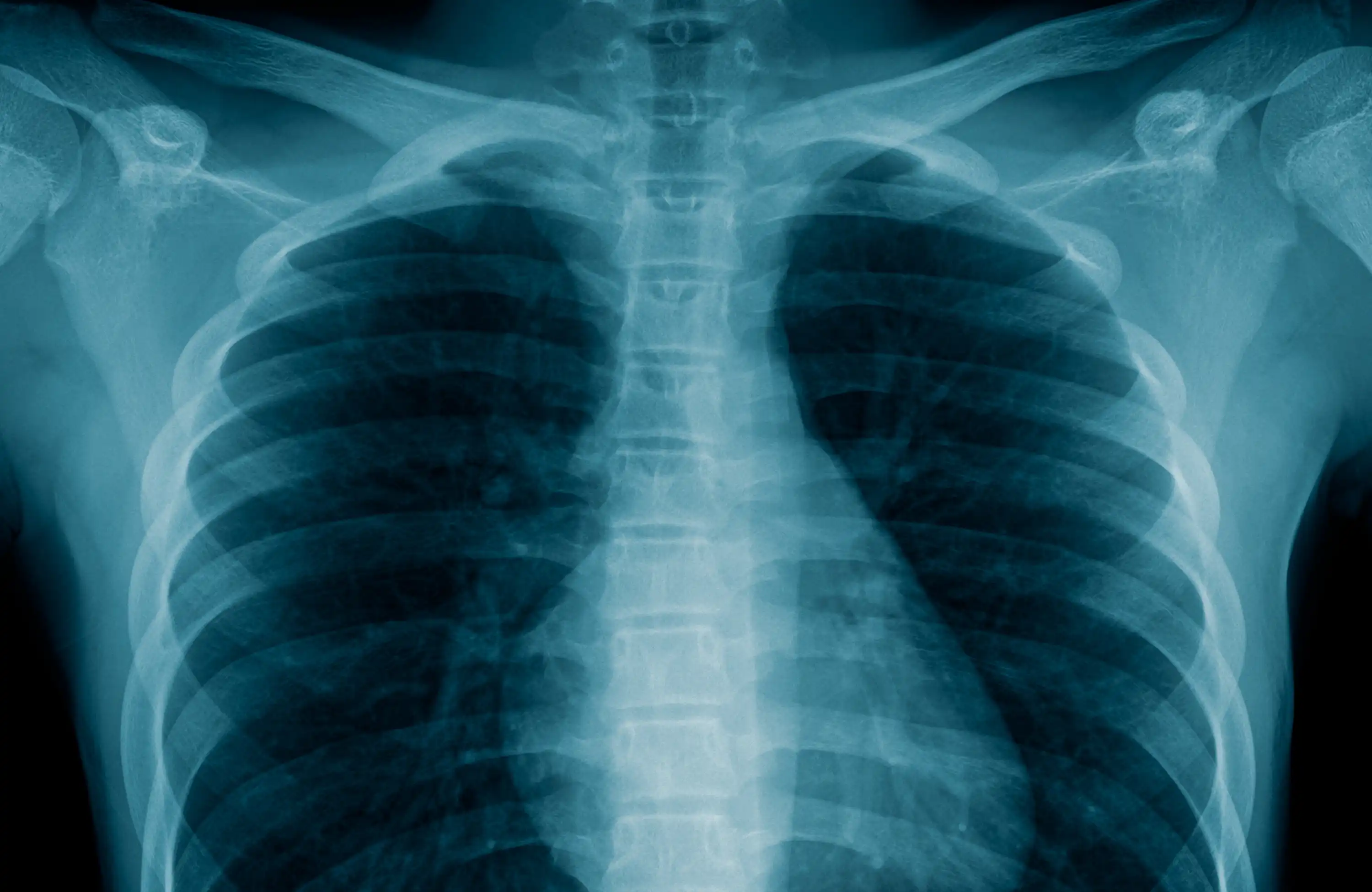 2% of a chest X-ray's radiation
Knowledge Check
Nuclear explosions not so frightening
Talk of nuclear energy brings to mind the 2011 Fukushima nuclear accident or the earlier Chernobyl nuclear disaster for many people.
Yet nuclear energy causes far fewer deaths than coal, oil and hydropower, as well as natural gas, Singapore’s main fuel for electricity generation.
Deaths per terawatt-hour (TWh) of electricity produced
Source: University of Oxford’s Our World in Data (2020)
Mythbusters
What will reassure the public?
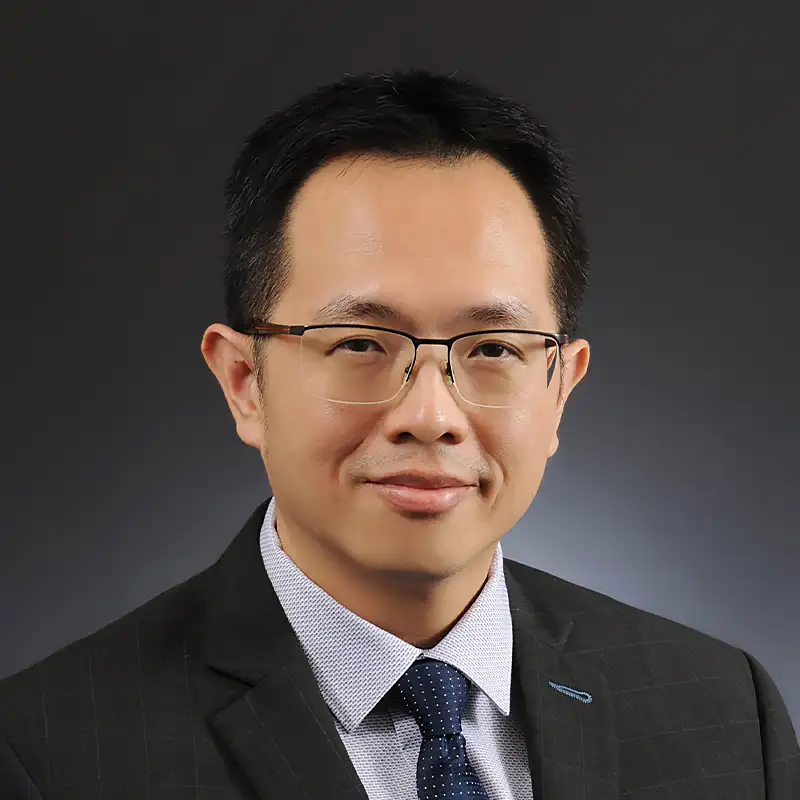
Professor Lee Poh Seng
Head of Department (Mechanical Engineering)
National University of Singapore's College of Design and Engineering
Public concerns regarding major nuclear accidents, radioactive waste, safety, and emergency preparedness are completely justified.
Public engagement should take place before an irreversible deployment decision, not after a preferred technology and site have effectively been determined. Residents, technical experts, civil society, industry and our regional neighbours should have meaningful opportunities to engage.
Lee believes that rather than trying to persuade the public that nuclear energy is safe, the priority should be to earn public trust in the project by developing nuclear expertise and establishing scientific evidence before deciding to deploy nuclear energy.
Over 80% of respondents support studying nuclear energy deployment
Agree Singapore should study the feasibility of deploying nuclear energy
An overwhelming majority of the public remains open-minded, recognizing the necessity of scientific research and preliminary feasibility studies.
Consider themselves well-informed about nuclear energy
Public education on nuclear science and modern safety standards is still needed; widespread fear often stems from the unknown.
Believe deploying nuclear energy helps strengthen Singapore’s energy security
High expectations are placed on reducing reliance on fossil fuels and reinforcing the national grid’s resilience against external shocks.
Support building Small Modular Reactors (SMRs) on offshore islands
Compared to densely populated mainland areas, offshore islands or floating marine platforms provide a vital psychological safety buffer and represent the public's preferred siting choice.
Focus primarily on safety issues • Worry about nuclear accidents and radiation leaks
The historical shadows of Fukushima and Chernobyl remain the central emotional concern for the public.
The future of nuclear powerrests upon our choice between
scientific data, instinctive prejudice and fear.
Nuclear technology is becoming safer by the day
First, let us look at how nuclear power is generated.
How Nuclear Power Works
Introduction to nuclear energy
Nuclear energy was first used to generate electricity in the 1950s. It harnesses the heat released when atomic nuclei split in a process called nuclear fission,
Neutron collision
Nuclear power plants mainly use uranium-235 as their fissile material. When a neutron strikes a uranium-235 nucleus, the nucleus splits into two smaller nuclei.
Chain reaction
This releases energy and several new neutrons. The new neutrons strike and split other nuclei, creating a chain reaction.
Energy conversion
The heat released by nuclear fission turns water in the power plant into steam, which drives a turbine-generator to produce electricity.
Powering the entire plant
- Reactor pressure vessel: Sustains the microscopic fission chain reaction in high-pressure cooling water.
- Steam generator: Heat from the hot water in the primary circuit is transferred to water in the secondary circuit, turning it into high-pressure, superheated steam.
- Steam turbine: High-pressure steam rushes over massive blades, converting thermal energy into rotational mechanical energy.
- Generator: The rotating shaft drives magnetic poles within the stator coils. As magnetic field lines cut across the coils, electricity is generated, providing a continuous supply of clean power to the national grid.
Over the past 70 years and more, nuclear power technology has become increasingly safe and cost-effective. Newer nuclear power plants incorporate more safety features, reducing the risk of severe accidents.
Emergency planning zones are also established around nuclear power plants. In the event of an accident, emergency protective measures such as issuing warnings, evacuation and sheltering must be taken to limit the impact of radioactive material on people and the environment within these zones. Advances in nuclear technology have made these zones progressively smaller.
Plant
Spanning half of Singapore (from Woodlands Checkpoint to Changi Airport)
About the distance from an HDB to a nearby hawker centre, or 2–3 bus stops.
The evolution of nuclear reactors
Reactors are generally classified by when they were built, with each generation offering better nuclear technology and safety measures than the last.
First generation
Second generation
Adoption
Third generation
Progress
Fourth generation
2km*
Exploring the Future of Nuclear Energy:
Advanced Reactor Deep Dive
A comparison of key features, advantages, and hurdles across six Gen IV designs.
| Reactor type |
Advantages
|
Challenges
|
Coolant | Temperature (°C) |
|---|---|---|---|---|
|
Super Critical Water Reactor
|
Relatively mature technology: Lower construction costs and faster approval |
Risk of equipment corrosion: Requires specialised water treatment |
Supercritical water
|
510⁓625℃
|
|
Very High Temperature Reactor
|
Flexible siting: Can be built even in water-scarce inland areas |
Extreme demands on materials: Urgent need for highly heat-resistant technology |
Helium
|
700⁓1000℃
|
|
Molten Salt Reactor
|
High power generation efficiency: Can also produce hydrogen |
Highly corrosive: Urgent need for specialised corrosion-resistant materials |
Fluoride salts / chloride salts
|
700⁓800℃
|
|
Lead-cooled Fast Reactor
|
Much less nuclear waste: Fuel can be recycled and reused |
Preventing lead solidification: High temperatures must be maintained at all times |
Lead / lead-bismuth alloy
|
480⁓800℃
|
|
Gas-Cooled Fast Reactor
|
Highly fuel-efficient: Less refuelling and less waste |
Rapid temperature rise after a leak: Very little time for emergency action |
Helium/supercritical carbon dioxide
|
850℃
|
|
Sodium-cooled Fast Reactor
|
High power density: Allows a more compact core design |
Risk of explosion on contact with water or air: Must be completely sealed and oxygen-free |
Sodium/eutectic sodium-potassium alloy
|
550℃
|
Considerations for deploying nuclear energy:
Space & Location
Compactness is a key feature of newer reactors: they are smaller in size and occupy less land. Conventional reactors may occupy 1 to 2 square kilometres, while newer small modular reactors (SMRs) can reduce that footprint to 0.01 square kilometres.
Does it require a lot of space?
Less than Two Football Pitches
Ultra-compact footprint with high siting flexibility, no massive buffer land required.
Minimal Waste Storage Footprint
At the US Surry Nuclear Power Station, the on-site dry storage facility takes up just ~30% of a single football field (0.21 ha).
Stores ~20 Years of Waste
A footprint this small safely holds 84 dry casks, containing 16–19 years of spent nuclear fuel.
High Energy Density
With an installed capacity of about 1.6 GW, the Surry Nuclear Power Station generates roughly 12.6 TWh a year, enough to power around 22% of Singapore.
Are offshore islands potential sites?
Although Singapore has yet to decide whether to adopt nuclear energy, the government’s recent announcement of plans to develop the Western Islands and Pulau Tekong has prompted speculation about whether it is preparing to select a site for a future nuclear power plant.

-
Western Islands
By integrating islands south of Jurong Island including Pulau Semakau, Pulau Bukom, Pulau Sudong, Pulau Hantu and Pulau Sebarok.
-
Pulau Tekong
There are plans to develop a hydrogen-ready natural gas power plant, a liquefied natural gas terminal and other low-carbon energy facilities on about 200 hectares of reclaimed land.
Professor Lee Poh Seng
Head of Department (Mechanical Engineering)
National University of Singapore's College of Design and Engineering
For Singapore, siting should be regarded as a system-level safety problem rather than simply finding enough physical space for a reactor.
Safety considerations include the specific reactor technology and its safety case; population density and present and future surrounding land use; sea-level rise and other climate-related risk; coastal flooding, sea-level rise and other climate-related risks; spent-fuel and radioactive-waste management and aviation and maritime risks.
In Lee’s view, the key principle is to demonstrate that a site is suitable for the safe deployment of a reactor, rather than choosing a site first and then trying to fit a reactor into it.
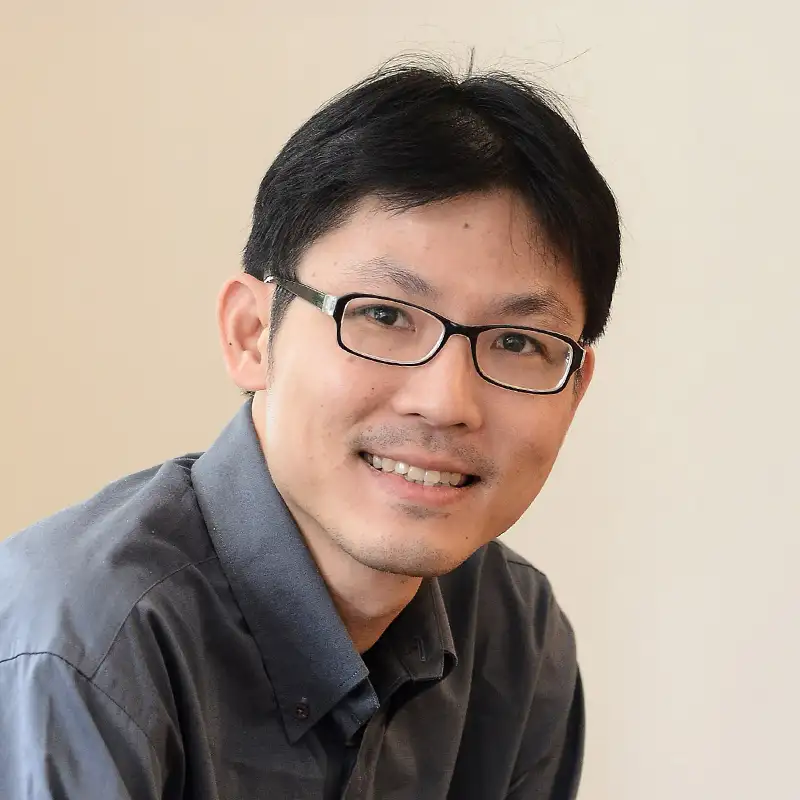
Assistant Professor Jie-Sheng Tan-Soo
Director of the Institute for Environment and Sustainability
Lee Kuan Yew School of Public Policy
Nuclear facilities could, in principle, be located on Singapore’s main island, an offshore island or even a floating platform. However, the suitability of each option requires a comprehensive assessment of several factors, with safety coming first, followed by economics.
Regarding economics, Tan said considerations must include the opportunity cost of land, the nuclear power plant’s impact on surrounding economic activities and the potential economic consequences of an accident.
He said it was still difficult to judge whether the Western Islands or Pulau Tekong would be suitable sites. Both already serve important purposes, and their suitability would depend on the reactor technology adopted and site-specific risk assessments.
Is it expensive to build?
Getting started is always difficult, especially with emerging technologies. Substantial financing is currently needed to drive research and development, and construction and operating costs are high. But these costs can be brought down once economies of scale are achieved.
The US Electric Power Research Institute and the OECD Nuclear Energy Agency earlier published a report titled The Costs of Generating Electricity 2025, which calculates the levelised cost of energy (LCOE).
Put simply, LCOE measures the average cost of each unit of electricity a power plant generates over its lifetime, taking into account the amount of money spent on it from construction to decommissioning.
LCOE Comparison
However, circumstances differ from country to country. Would developing nuclear energy in Singapore be very expensive?
The Singapore Nuclear Research and Safety Institute (SNRSI) noted that SMRs are an emerging technology with limited commercial deployment, making it difficult at this stage to estimate the precise cost of such projects.
The good news is that nuclear energy projects tend to follow a “learning curve”: the first project typically costs more and takes longer to build. As experience accumulates and supply chains mature, construction costs and timelines are expected to fall gradually.
If not nuclear power,
what are the alternatives?
Exploring Singapore's Other Options and Their Constraints
Solar Energy
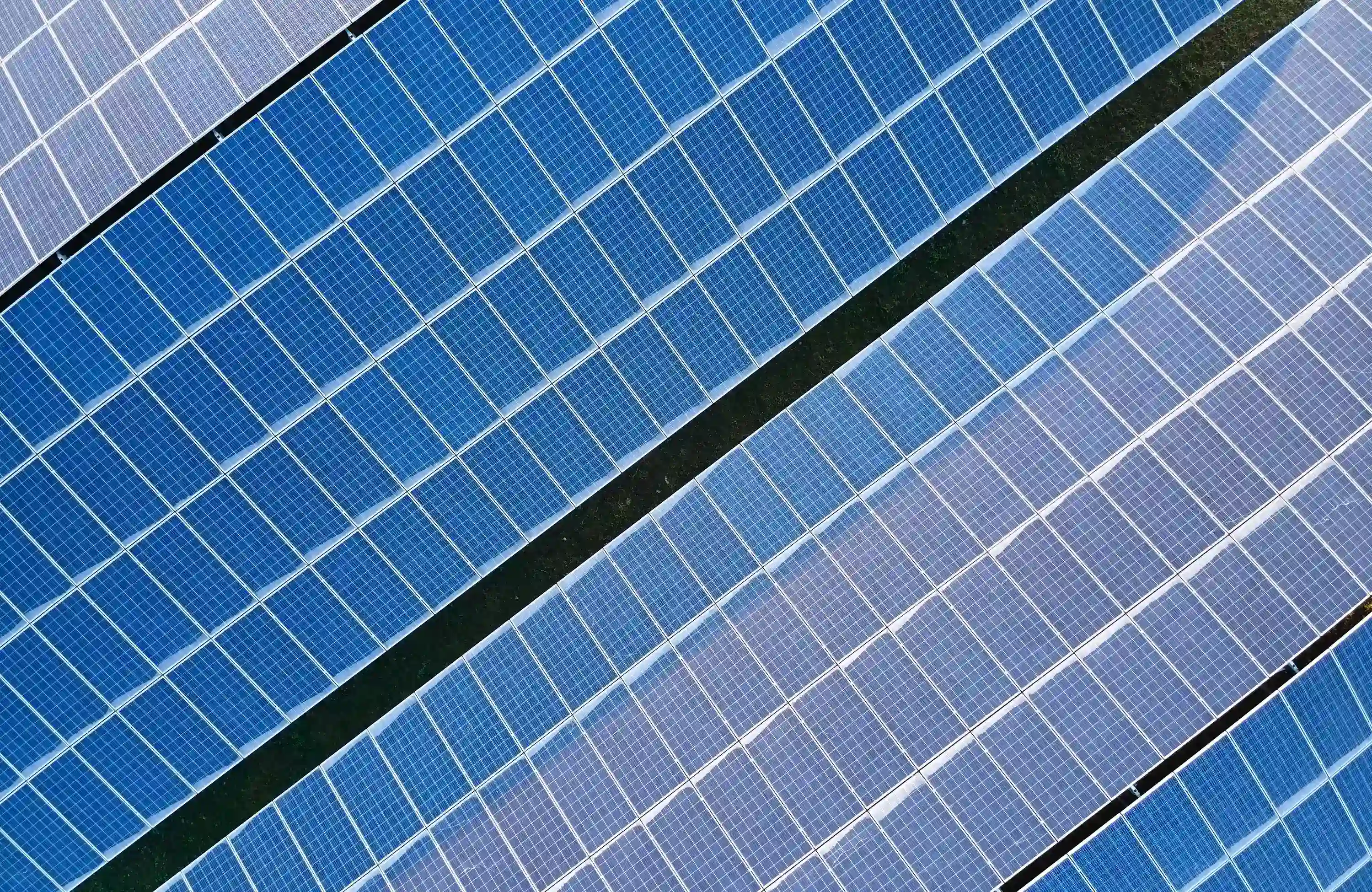
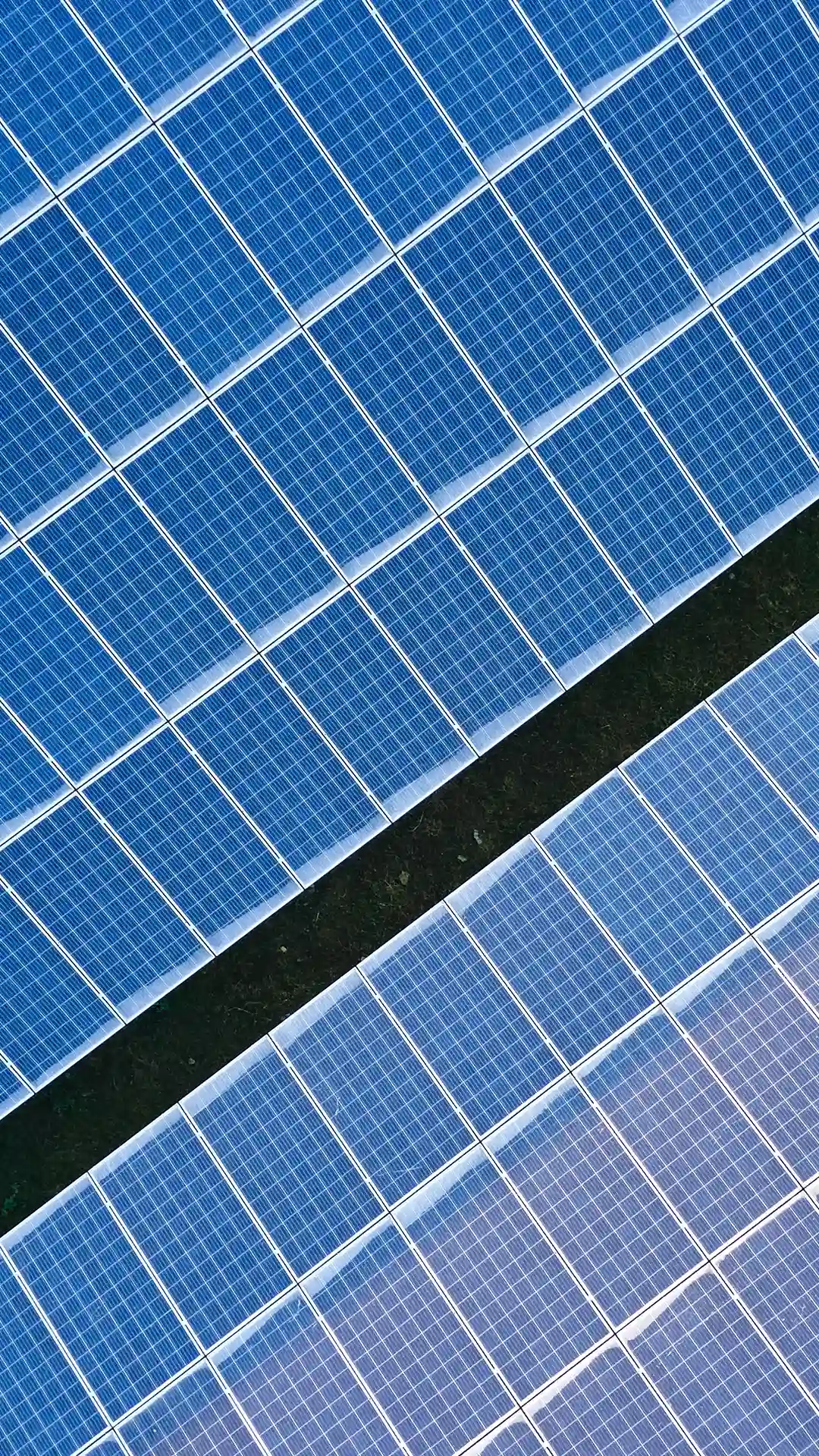
Singapore’s installed solar capacity has grown sharply from 0.3 megawatt-peak in 2008 to more than 2,300 megawatt-peak in the second quarter of this year.
Singapore recently raised its solar deployment target, aiming for an installed capacity of 4,000 megawatt-peak (or 4 gigawatt-peak) by 2035 at the latest.
Although solar energy is currently Singapore’s most promising renewable energy source, limited land, cloudy weather and rising electricity demand mean it is expected to meet no more than about 10% of the country’s electricity needs by 2050.
Electricity imports
The Energy 2050 Committee Report, published in 2022, projected that imports could account for 25% to 60% of Singapore’s electricity supply by 2050.
Under its current target, Singapore plans to import 6,000 megawatts of low-carbon electricity by 2035, which is expected to meet about a third of national electricity demand by then. The government has so far issued conditional approvals or conditional licences to companies from Malaysia, Indonesia, Vietnam, Cambodia and Australia in preparation for future low-carbon electricity imports.
Hydrogen
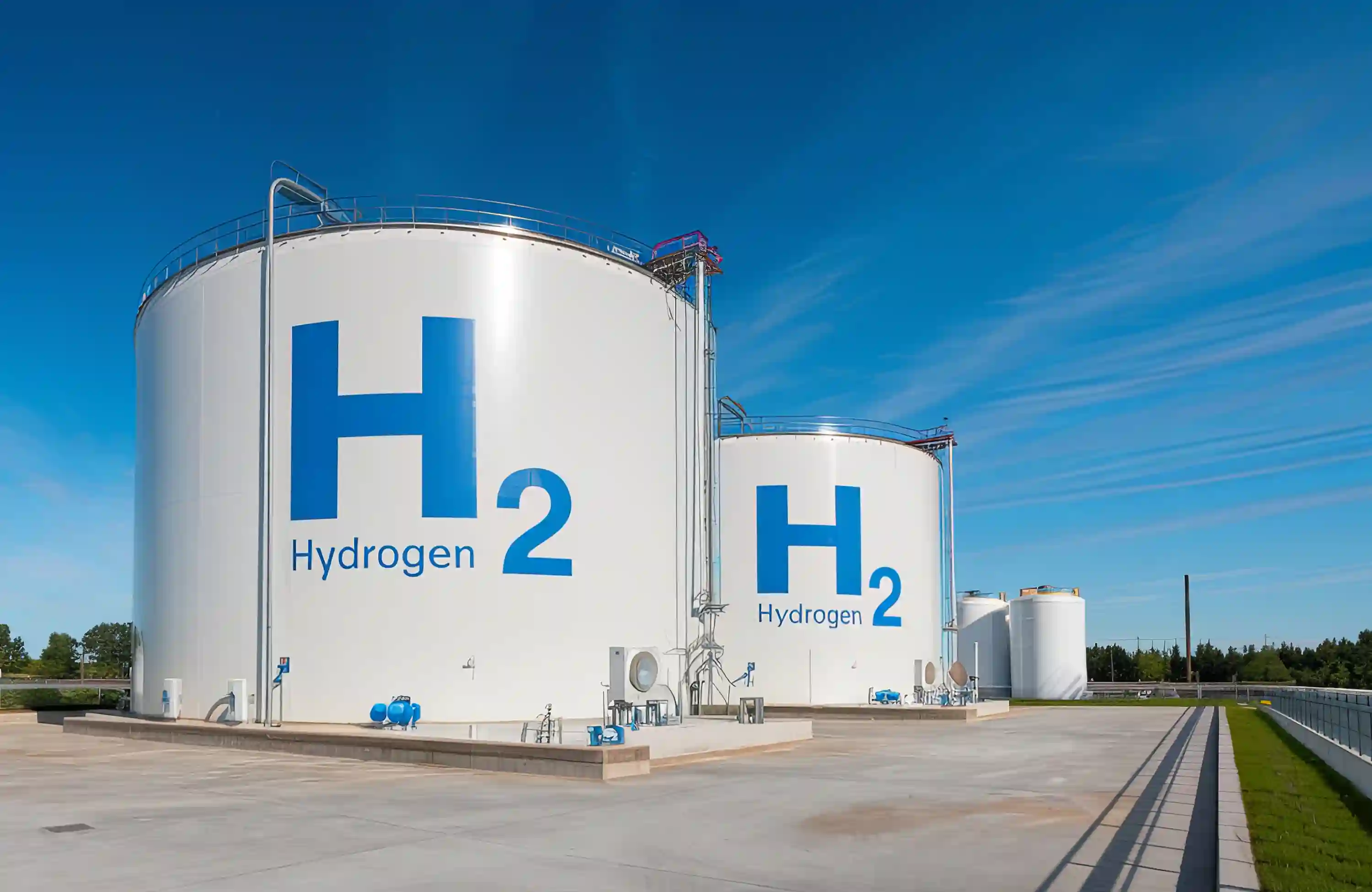
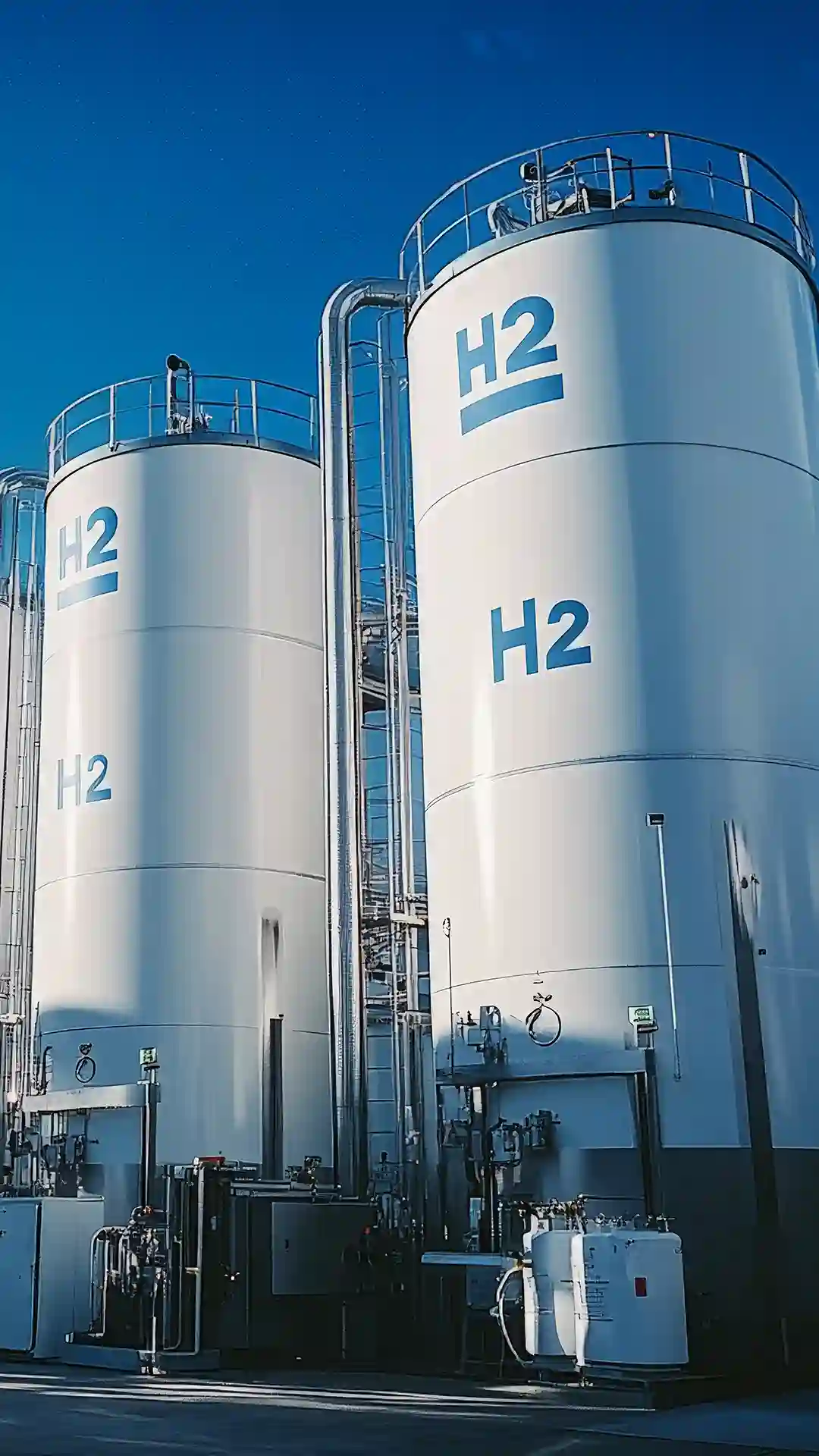
Singapore launched its National Hydrogen Strategy in 2022. Depending on technological advances and the development of other alternative energy sources, hydrogen could meet up to half of the country’s electricity needs by 2050.
However, hydrogen technology is not yet mature; production still relies mainly on fossil fuels, and transport and storage remain challenging. For now, Singapore will focus on building the capabilities needed for its future use.
For example, from 2024, all new combined-cycle gas turbine generating units must be capable of using a fuel mix containing at least 30% hydrogen and be able to be retrofitted to run entirely on hydrogen.
Geothermal energy
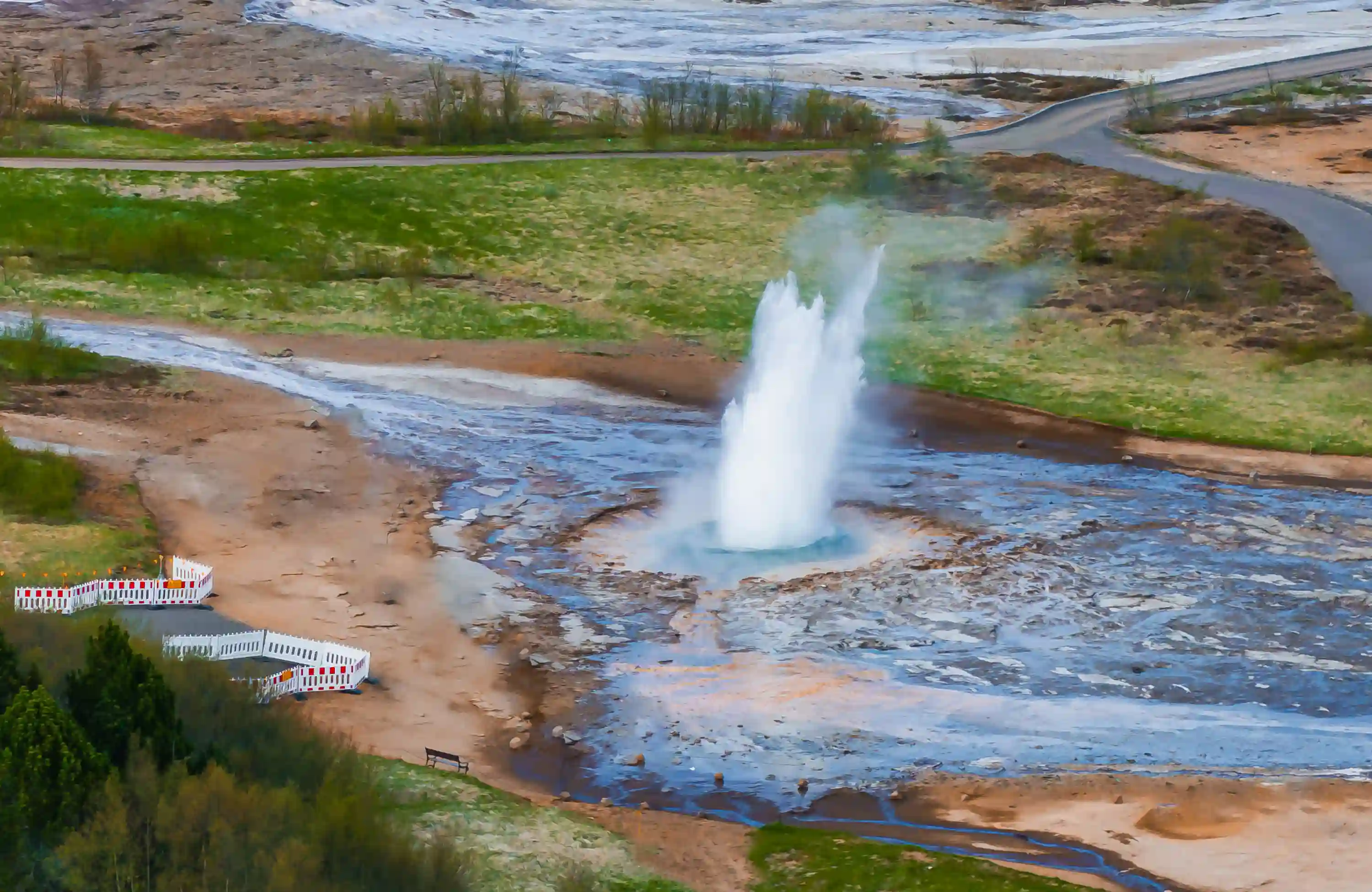
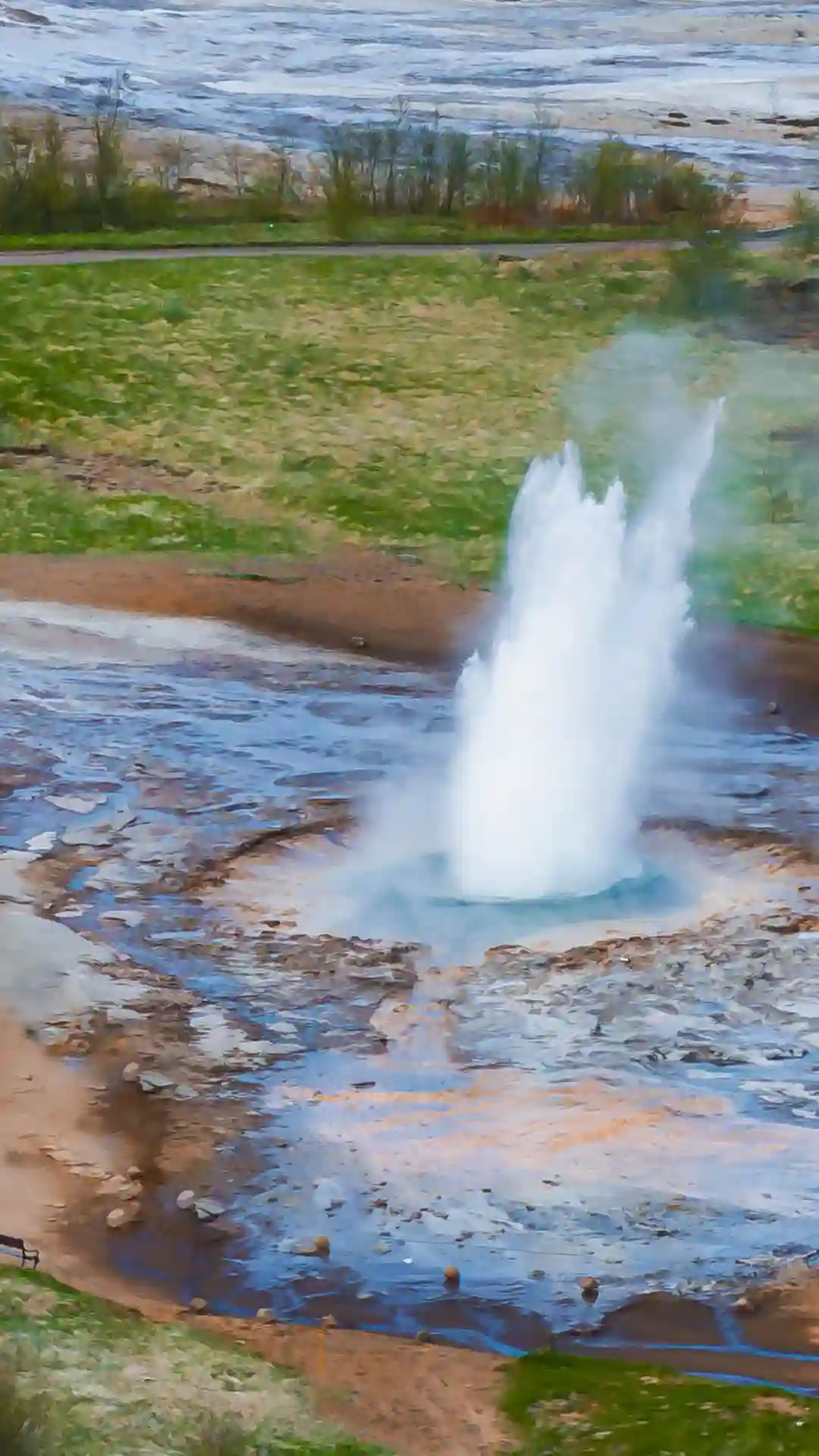
Singapore has limited geothermal resources close to the surface. In 2024, the government launched a two-year, nationwide non-invasive survey to assess whether geothermal resources suitable for power generation exist at depths of up to 10 kilometres.
Newly released findings show that high-temperature geothermal resources several kilometres beneath Singapore have the potential to generate electricity. Preliminary estimates suggest that the amount of electricity that could theoretically be generated exceeds 60 times the country’s current annual consumption of about 60 terawatt-hours.
Conventional geothermal systems use underground hot water and steam to generate electricity and are generally built in geologically active areas, such as volcanic regions.
As Singapore lacks such geological resources, it cannot simply adopt the conventional model. The Energy Market Authority has appointed companies to assess the feasibility of deploying next-generation geothermal systems.
Hydropower & wind energy
Although Singapore is surrounded by sea, harnessing water or wind to generate electricity is difficult.
The waters around Singapore are sheltered by surrounding land, resulting in relatively light winds and small waves that are not conducive to hydropower generation. The local tidal range, the difference in water level between high and low tide is only about 1.7 metres, below the roughly four metres generally needed for commercial tidal power generation. In addition, most of Singapore's waters are already used for ports, anchorages and international shipping lanes, leaving limited space to develop marine energy.
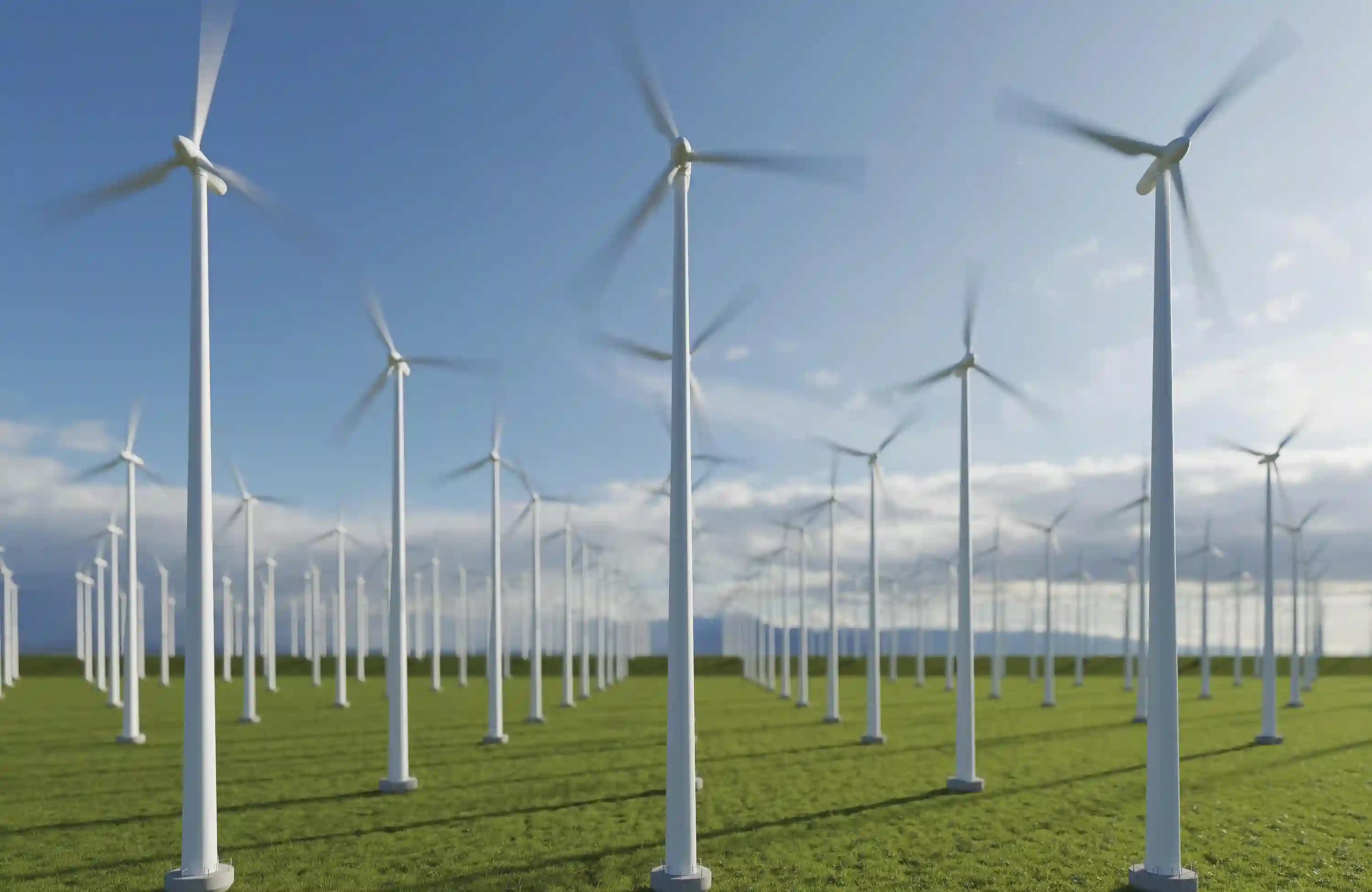
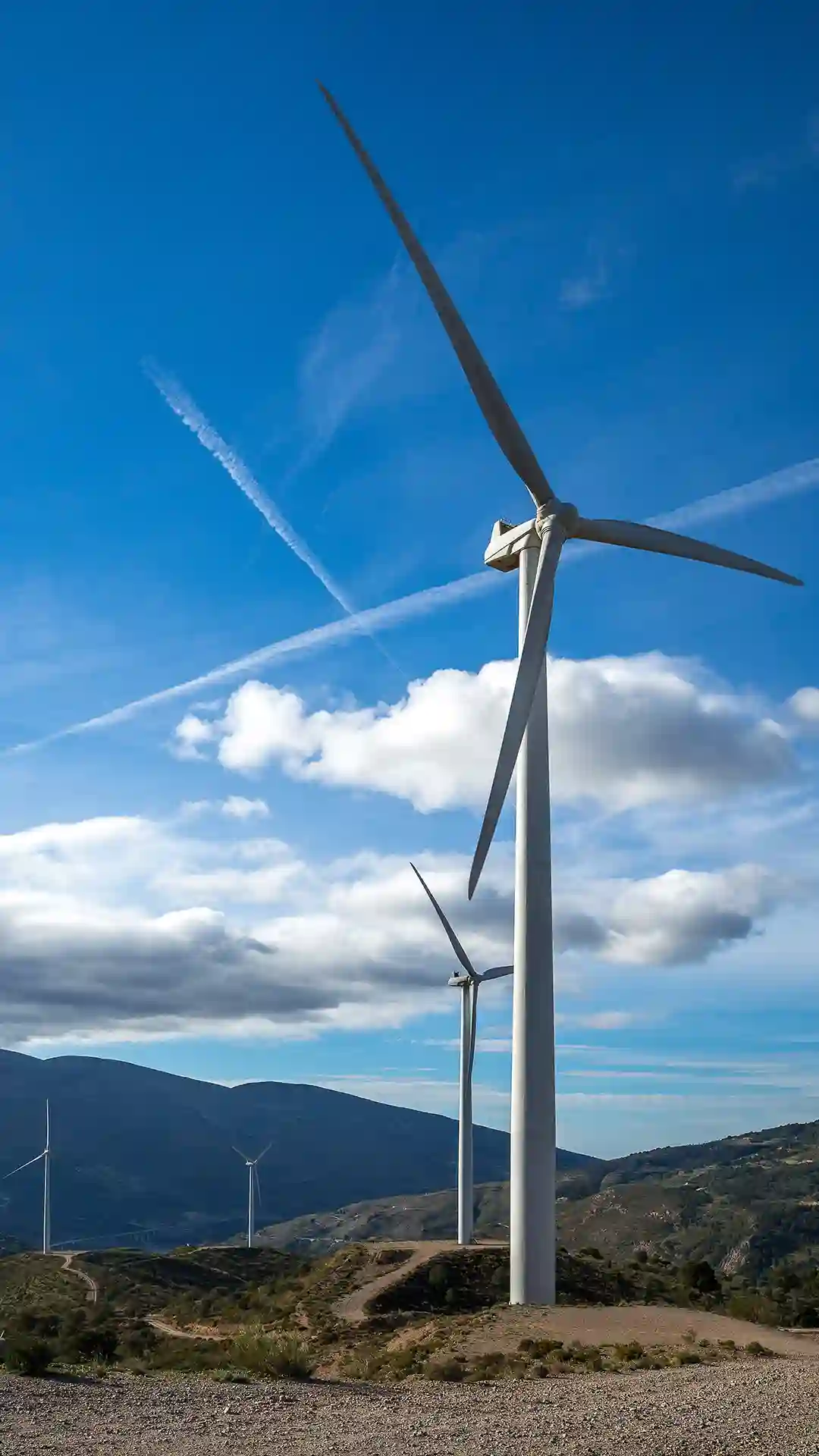
As for wind power, Singapore's average wind speed is only about two to three metres per second, compared with the ideal range of four to 15 metres per second for wind power generation. This makes it difficult to generate electricity efficiently.
Having explored the facts,
where do you stand?
Faced with Singapore’s soaring energy demand, scarce land, and the realities of climate change, which best reflects your stance on whether Singapore should adopt nuclear energy in the future?
Thank you for your feedback!
This is an illustrative survey. The energy transition is a multiple-choice question with no single perfect answer.
Conclusion: An Ongoing Conversation
From demystifying radiation and debunking explosion myths, to exploring the miniaturization of Gen IV reactors and weighing systemic safety in site selection, the future of nuclear energy in Singapore is not merely a technological calculus—it is about building national consensus.
As experts have observed: "Rather than trying to convince the public that nuclear energy is safe, we should earn public trust by building technical expertise and gathering robust scientific evidence before any decision to deploy nuclear power is made."
Whether nuclear power ultimately fits into our future energy puzzle or not, rational, science-driven dialogue will remain the strongest foundation for Singapore’s energy transition.
Nuclear energy:Is it an option for Singapore?
Turmoil in the Middle East and Indonesia's reduced natural gas supplies to Singapore are factors beyond our control that repeatedly underscore the importance of strengthening energy security.
Alternative energy sources each have potential, but also limitations. Meanwhile, interest in nuclear energy is growing across Southeast Asia and around the world.
Although Singapore has yet to decide whether to deploy nuclear energy, it has stepped up preparations. These include undergoing the International Atomic Energy Agency’s Integrated Nuclear Infrastructure Review next year and developing a pool of people with expertise in nuclear technology, project development and nuclear regulation.
From technological safety to nuclear waste management, and from siting to costs, whether to develop nuclear energy is far from a simple yes-or-no question. If, after weighing all these factors, Singapore one day decides to build a nuclear power plant, would you support or oppose it?